

Midlife Recalibration: When the Old Identity Stops Fitting
In The Many Phases of Womanhood, I described midlife recalibration as the phase when the identity that got you this far starts to feel too small, or too exhausting to keep maintaining, and something in you starts asking for more truth and less performance. If the building years are about holding everything up at once, midlife recalibration is what happens when you notice how much of yourself you set down to keep holding it.
The performance starts to cost more than it gives
By midlife, most women have gotten very good at a particular version of themselves: capable, accommodating, low-maintenance, whatever kept things running and kept the people around them comfortable. For a long time, that version worked. It got you through early adulthood, through the building years, through whatever came at you in between. The trouble is, it worked by asking you to keep a lot of yourself offstage.
Recalibration is what happens when the cost of that finally outweighs the benefit. It doesn't always announce itself as a single moment. Sometimes it's a slow build of irritability at things that never used to bother you. Sometimes it's a health scare, a milestone birthday, a kid leaving for college, a marriage that suddenly feels like it needs an honest conversation. Whatever the trigger, the underlying question is usually the same: how much longer am I willing to keep performing a version of myself that isn't fully true anymore?
What this looks like in the room
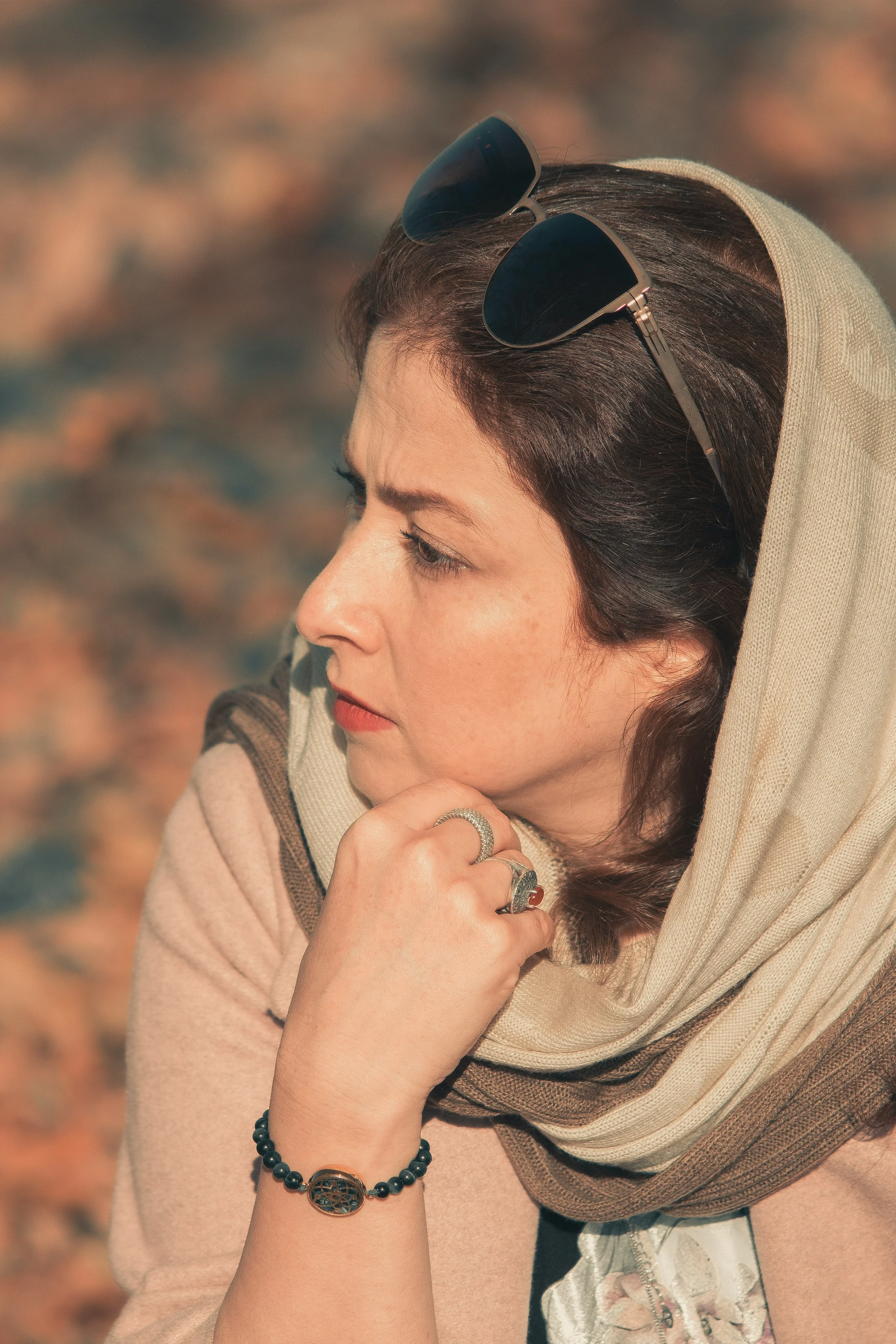
Women in this phase often describe feeling like they're waking up inside a life they built carefully and don't fully recognize. Not because anything is wrong with it exactly, but because so much of it was built around what was expected rather than what was wanted. There's frequently guilt attached to even asking the question, a sense that wanting something different now, after everyone adjusted to who you've been, is somehow a betrayal of the people who depend on you.
The work here isn't about blowing up a life. It's slower and more precise than that. We look at which parts of the identity you built were genuinely yours and which were adopted to stay safe or approved of, and start practicing what it feels like to let the true parts take up more room. That can mean changes as visible as a career shift or as quiet as finally saying what you actually think in your own home.
Why this phase deserves its own attention
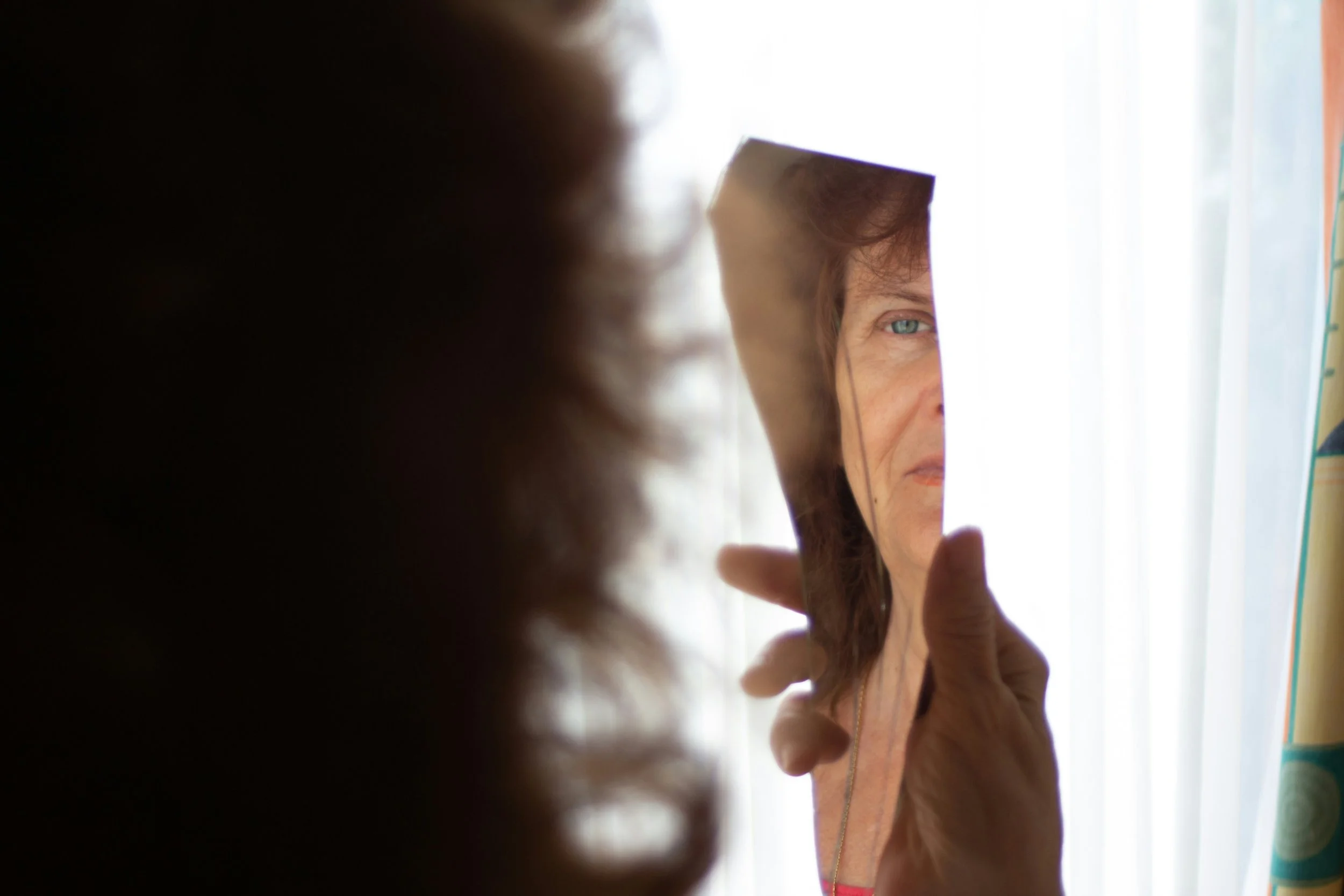
It's tempting to treat this restlessness as a problem to manage rather than information worth listening to. But recalibration, done well, isn't a crisis, it's a correction. The women who move through this phase with real support tend to come out the other side with an identity that's more sustainable precisely because it's more honest, not because they've simply gotten used to less.
If you're noticing that the version of yourself that used to work doesn't fit the same way anymore, I'd love to connect.